Overview: Decoding the Hype
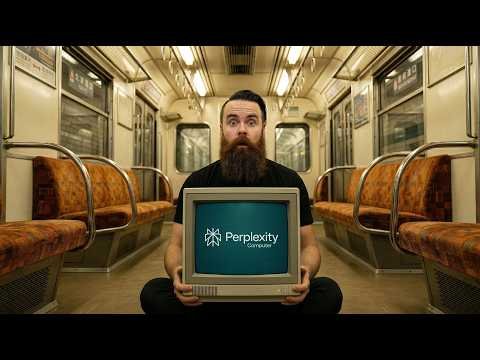
In this detailed i didn’t want to like this review,In the rapidly evolving landscape of 2026, viral content often blurs the line between genuine innovation and polished marketing. This technical breakdown evaluates the YouTube video “i didn’t want to like this….” to determine if the underlying technology or workflow holds real value for your stack or if it is merely a product of well-crafted engagement. We strip away the hype to analyze the architecture, integration potential, and practical utility of the tools presented.
What to Look For: A Critical Lens
Before adopting any tool featured in viral tech content, it is imperative to evaluate it against your specific operational requirements. Consider the following criteria:
- Workflow Alignment: Does the demonstrated process solve a genuine bottleneck in your daily tasks, or is it a solution in search of a problem?
- Interoperability: How seamless is the integration with your existing stack (e.g., APIs, webhook triggers, or native integrations)?
- Infrastructure Requirements: What are the hidden costs in terms of setup time, technical expertise, and maintenance?
- Compliance and Security: Do the data handling policies meet enterprise-grade standards?
Potential Strengths vs. Limitations
Every software demonstration serves as a “best-case scenario.” While the video provides a useful visual walkthrough, keep these factors in mind:
| Strengths | Limitations |
|---|---|
| Clear visual demonstration of complex workflows. | Demonstrations often use idealized data sets. |
| High-level insights into automation logic. | Scalability in production environments remains unverified. |
| Excellent starting point for R&D teams. | Pricing models and feature availability fluctuate rapidly. |
The 2026 Practical Evaluation Checklist
To move beyond the “like” factor, follow this structured audit process to validate the technology:
- Define Objectives: Explicitly outline the specific pain points you need the tool to resolve.
- Sandbox Testing: Test the core features using your own real-world data rather than the creator’s examples.
- Performance Benchmarking: Measure latency, reliability, and the learning curve for your team.
- Contractual Due Diligence: Review service level agreements (SLAs), privacy policies, and long-term cost projections.
Final Verdict: Is It Worth Your Time?
The YouTube video “i didn’t want to like this….” serves as a compelling entry point for exploring new technical approaches. However, it should function strictly as a catalyst for your own independent technical audit. While the features shown are impressive, the true value lies in how well the tool integrates into your unique ecosystem. Always prioritize official documentation and pilot testing over influencer-driven feature claims.
6 thoughts on “Is YouTube Video ”i didn’t want to like this….” Worth It? Complete Review, Features & Technical Breakdown [2026]”